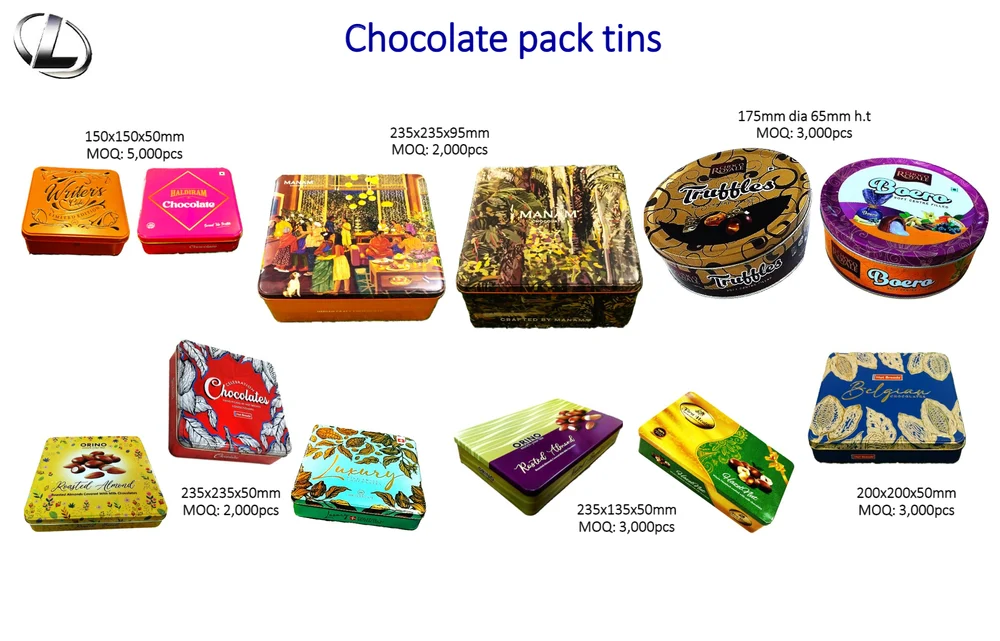
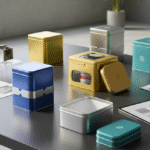
Custom tin packaging is not simply a matter of printing a logo on a metal box. A finished tin passes through a carefully coordinated manufacturing process involving packaging design, artwork preparation, metal printing, protective coating, cutting, forming, seaming, quality inspection, packing and delivery.
For brands, understanding this process can make it easier to choose the right packaging format, communicate technical requirements to a manufacturer and avoid costly mistakes before bulk production begins.
At Larsan Tins, custom metal packaging is developed for a wide range of applications, including food and beverage products, confectionery, cosmetics, gifts, jewellery, pharmaceuticals and industrial products. The company combines custom design, precision manufacturing, printing and finishing capabilities to create packaging suited to different product and brand requirements.
This guide explains the complete journey:
Concept → Design → Artwork → Printing → Coating → Cutting → Forming → Seaming → Quality Check → Packing → Delivery
Quick Answer: How Is Custom Tin Packaging Manufactured?
Custom tin packaging is generally manufactured by first defining the product and packaging requirements, developing the tin’s size and shape, preparing the artwork and then printing the design onto metal sheets. The printed sheets may receive protective coatings before being cut into components. These components are then formed into the required shapes and assembled through processes such as side seaming and seaming. The finished tins undergo quality checks before packing and dispatch.
The exact production sequence can vary depending on whether the product is a round tin, rectangular tin, custom-shaped tin, printed tin container, hinged box or industrial metal container.
At Larsan Tins, the published infrastructure includes imported printing lines, a coating line, side seam welding machines, power presses, round and rectangular seamers, full production lines and an automatic body maker, supporting different stages of tin packaging production.
1. Understanding the Product and Packaging Requirement
Every successful custom tin project starts with understanding what the packaging needs to do.
Before manufacturing begins, the packaging team needs to consider questions such as:
- What product will go inside the tin?
- What are the required dimensions?
- How much does the product weigh?
- Does the packaging require a round, square, rectangular or custom shape?
- Is the product intended for food, cosmetics, gifts, industrial materials or another application?
- Does the packaging require branding or multicolour printing?
- Does the product need a particular opening mechanism or lid?
- Is a premium finish, embossing or window required?
- What quantity is required for production?
These decisions influence the manufacturing process that follows.
For example, packaging for cookies, chocolates or tea may require a different design approach from packaging for paints, chemicals or industrial products. Similarly, a decorative gift tin may prioritise shelf appeal and premium finishes, while an industrial container may place greater emphasis on structural performance and product compatibility.
Larsan Tins manufactures packaging across multiple categories, including Food & Beverage Tin Packaging, Sweets & Confectionery Tin Packaging, Cosmetics & Personal Care Tin Packaging, Jewellery & Garment Tin Packaging, Kids & Specialty Tin Packaging and Industrial & Utility Tin Packaging.
2. Concept Development and Custom Tin Design
Once the packaging requirements are understood, the concept can move into design.
A custom tin can be developed around the product, the brand identity and the intended customer experience. Depending on the application, manufacturers can create packaging in standard or customised formats.
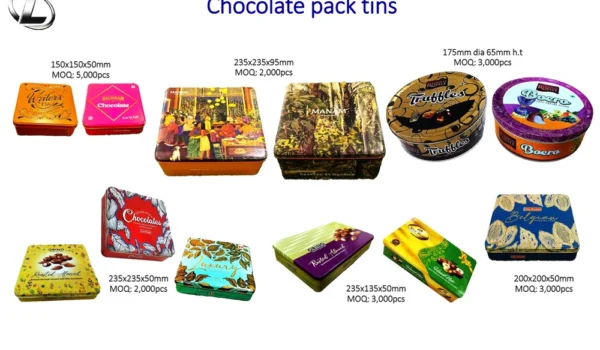
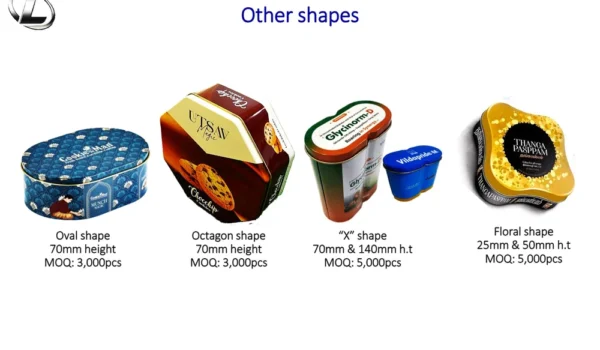
Larsan Tins states that it provides custom shapes including round, square, rectangular, octagonal and bespoke formats, depending on customer requirements. The company also highlights options such as embossing, hinged lids, transparent windows and decorative surface finishes.
The design stage may consider:
Tin shape
The overall shape influences both appearance and manufacturing requirements. Common formats include:
- Round tins
- Square tins
- Rectangular tins
- Octagonal tins
- Bespoke or specialised shapes
Tin dimensions
Length, width, height and capacity must suit the product being packaged. The dimensions can also influence how efficiently the tins are packed, transported and displayed.
Lid and opening style
The packaging may require a simple lid, hinged lid or another closure format depending on the intended product and customer experience.
Branding opportunities
A tin can become part of the product’s visual identity. Design elements may include:
- Brand colours
- Logos
- Product illustrations
- Decorative patterns
- Embossed details
- Metallic effects
- Matte or glossy finishes
The concept stage is important because changes become more difficult once production tooling and manufacturing processes have been finalised.
For businesses planning a completely customised project, it can also be useful to review Custom Tin Box Manufacturers in India: What to Check Before You Order before moving forward with production.
3. Artwork Preparation for Metal Printing
After the physical packaging concept has been approved, the visual artwork must be prepared for printing.
Artwork for metal packaging is not simply the same as artwork for paper or digital media. The final design needs to work with the shape of the tin, the individual metal components and the printing and coating processes.
The artwork stage may include:
- Logo placement
- Brand colours
- Product information
- Decorative graphics
- Regulatory information where applicable
- Alignment of artwork across different tin components
- Areas for embossing or special finishes
A rectangular tin, for example, may have separate artwork requirements for the lid, body and base. A round container may require artwork that wraps accurately around the body.
The artwork must therefore be developed with the actual manufacturing format in mind.
Larsan Tin Printers identifies metal printing and custom printed tin containers as part of its manufacturing range. Its published company profile also describes experience related to metal printing, printing inks, coatings, varnishes and lacquers used in metal printing processes.
For brands, this stage is also the ideal time to review the final artwork carefully. Corrections to artwork are significantly easier before production moves to printing and forming.
4. Printing the Tin Design
Printing is one of the stages where a plain metal sheet begins to become recognisable as branded packaging.
The printing process applies the approved artwork to the metal surface. This allows manufacturers to create branded tin packaging with logos, colours, graphics and decorative elements.
Larsan Tins reports that its infrastructure includes two imported printing lines designed to support colour accuracy, finish and durability. The company’s website also describes precision printing technology as part of its advanced manufacturing facility.
Metal printing can be particularly important for products that depend heavily on shelf appeal, such as:
- Premium cookies
- Chocolates
- Sweets
- Tea and coffee
- Cosmetics
- Gift products
- Promotional products
- Retail packaging
The printed surface helps the packaging communicate the brand before the customer even opens the product.
Why printing quality matters
Packaging printing needs to remain visually consistent across a production order. Variations in colour, registration or surface quality can affect the final appearance of the product.
This is one reason why the manufacturing process requires controlled production and quality checks rather than treating printing as a separate decorative step.
5. Protective Coating and Surface Finishing
After printing, protective and decorative coatings may be applied depending on the packaging design and product requirements.
Coating can contribute to the appearance and functional performance of the packaging. Larsan Tins lists an imported coating line as part of its infrastructure and states that the coating process supports product protection and surface durability.
The company’s packaging offerings also include surface finish options such as:
- Matte
- Glossy
- Metallic
- Pearl
- Textured
- Custom decorative finishes
The choice of finish can significantly affect the perception of the product.
For example:
- A matte finish may create a refined and understated appearance.
- A glossy finish can create a brighter, more reflective presentation.
- A metallic finish can emphasise the material and premium nature of the tin.
- A pearl or decorative finish can support distinctive branding.
The coating and finishing stage must work together with the printing and later forming processes.
For food applications, the packaging design and materials should also be selected according to the intended food-contact requirements. Larsan Tins positions its food and beverage packaging as food-grade and manufactures containers for applications including cookies, chocolates, sweets, tea, coffee and edible oil.
6. Cutting the Printed Metal into Components
Once the metal sheets have been printed and processed, they need to be converted into the individual components required to manufacture the finished tin.
This is where cutting and press operations become essential.
A finished tin may consist of several separate components, depending on its design, including:
- Lids
- Bodies
- Bases
- Side panels
- End components
- Other specially designed parts
These components must be cut and prepared accurately so they can later be formed and assembled.
Larsan Tins lists 60 power presses as part of its production infrastructure. The company states that these presses support shaping and forming operations with precision.
Accuracy at this stage is important because incorrectly sized or poorly prepared components can affect the later stages of assembly.
The cutting and preparation process effectively transforms the printed metal sheet into the building blocks of the final packaging.
7. Forming the Tin into Its Required Shape
After the individual components have been prepared, they move into forming and shaping.
This is the stage where flat metal components begin to take the form of a recognisable container or box.
Depending on the packaging design, the manufacturing process may create:
- Round containers
- Square tins
- Rectangular tins
- Speciality shapes
- Custom-designed packaging
Larsan Tins’ infrastructure includes 12 round seamers, 8 rectangular seamers and an automatic body maker, demonstrating capability across different container formats.
Forming is particularly important because the final shape needs to meet both visual and functional requirements.
A premium gift tin, for example, needs clean lines and an attractive finish. A food container needs to be designed for practical storage and handling. Industrial packaging may require a different structural approach based on the application.
This is why custom tin manufacturing is not a single universal process. The equipment, tooling and assembly sequence can change depending on the packaging design.
8. Side Seaming and Container Assembly
The next stage involves joining the formed components together to create the finished structure.
Seaming is an important part of container manufacturing because it contributes to the strength and overall construction of the tin.
Larsan Tins lists five side seam welding machines and multiple round and rectangular seaming machines within its manufacturing infrastructure.
The exact assembly method depends on the type of packaging being manufactured.
For example, a cylindrical tin body and a rectangular tin box do not necessarily follow the same assembly sequence.
The objective is to ensure that the different components fit together correctly and create a finished package that performs as intended.
At this point, the product has moved from individual printed and formed components to an actual tin container or box.
9. Adding Premium Features and Value-Added Details
For many brands, the basic container is only part of the packaging solution.
Premium features can be added to improve functionality, shelf appeal and brand differentiation.
Larsan Tins highlights several value-added packaging options:
Embossing
Embossing adds raised texture and visual depth to selected areas of the packaging. This can be used for logos, patterns and other design elements.
Hinged Lids
Hinged tin boxes can provide convenience and create a reusable packaging experience.
Transparent Windows
A window can allow customers to see the product while the tin continues to provide structure and protection.
Decorative Surface Finishes
Different surface treatments can help a product achieve a premium or distinctive appearance.
These features can be particularly useful for:
- Gift packaging
- Luxury products
- Confectionery
- Cosmetics
- Promotional packaging
- Special edition products
Larsan Tins lists embossing, hinged lids, transparent window tins and premium surface finishes as part of its value-added packaging solutions.
The important consideration is that these design features should be planned early. A packaging manufacturer can provide more effective guidance when the functional and visual requirements are considered before bulk production begins.
10. Quality Checks Throughout the Manufacturing Process
Quality control should not be treated as something that happens only after the tin has been manufactured.
Instead, quality considerations can apply throughout the process.
Checks may include areas such as:
- Raw material condition
- Print appearance
- Colour consistency
- Coating and surface finish
- Component dimensions
- Forming accuracy
- Seam quality
- Overall appearance
- Packaging condition before dispatch
Larsan Tins states that its manufacturing processes operate under ISO 9001:2015 certification and that its quality approach focuses on consistency, customer requirements, skilled workforce and continuous improvement.
The company’s infrastructure is also designed to support large-scale production while maintaining quality control across different manufacturing stages.
For a custom packaging buyer, quality checks are especially important because packaging represents the product and brand directly.
A tin may be structurally sound but still fail to meet expectations if:
- The print is inconsistent.
- The components do not align correctly.
- The surface finish is uneven.
- The shape does not meet the approved design.
- The packaging is damaged before delivery.
A structured quality process helps reduce these risks.
11. Packing Finished Tin Containers
Once the tins have passed the required production and quality stages, they are prepared for storage and dispatch.
Packing is an important final manufacturing step because the finished tins must remain protected during handling and transportation.
Larsan Tins reports a 30,000 sq. ft. warehouse area for the organised storage of raw materials and finished goods, supporting supply chain operations and order fulfilment.
The packing approach may vary depending on:
- Tin size
- Tin shape
- Surface finish
- Product fragility
- Quantity
- Shipping distance
- Customer requirements
Premium printed tins need appropriate handling so the final product reaches the customer in the expected condition.
This stage connects manufacturing with logistics. Even a well-manufactured tin can lose value if it is not packed and handled properly before delivery.
12. Delivery: From Factory to Brand or Product Line
The final stage is delivery.
By this point, the packaging has travelled through a complete production journey:
Initial concept → design → artwork → metal printing → coating → cutting → forming → assembly → finishing → quality control → packing → dispatch
Larsan Tins describes its manufacturing model as taking projects from design to delivery, combining custom design, precision manufacturing, quality assurance and bulk production capabilities.
The company also states that its factory infrastructure includes multiple production units, including three units covering 30,000 sq. ft. and a separate 50,000 sq. ft. facility for high-volume production and specialised projects.
For customers, the most important outcome is not simply receiving a tin container. It is receiving packaging that matches the approved requirements for:
- Design
- Shape
- Branding
- Finish
- Function
- Product application
- Production quantity
Why Understanding the Tin Manufacturing Process Matters
Understanding how custom tin packaging is manufactured helps businesses make better packaging decisions.
Instead of asking only, “How much does a tin box cost?”, buyers can ask more useful questions:
- What shape is most suitable for my product?
- Which finish supports my brand positioning?
- What printing options are available?
- Does the project require custom tooling?
- How will the container be formed and assembled?
- What quality controls are used during production?
- Can the manufacturer handle the required volume?
These questions help create a clearer conversation between the brand and the manufacturer.
They can also reduce the risk of making packaging decisions based only on appearance or initial pricing.
For a detailed checklist on evaluating suppliers, read Custom Tin Box Manufacturers in India: What to Check Before You Order.
Custom Tin Packaging for Different Industries
The same manufacturing expertise can be adapted to different sectors.
Food and Beverage
Custom tins can be developed for cookies, biscuits, tea, coffee, dry foods and other products requiring attractive and durable packaging.
Sweets and Confectionery
Premium printed tins can support chocolates, sweets, cookies and festive gifting.
Cosmetics and Personal Care
Tin packaging can be designed for skincare products, lip balms, candles, perfumes and other personal care applications.
Jewellery and Premium Retail
Decorative finishes, embossing and custom shapes can help create packaging with a premium presentation.
Industrial Applications
Metal containers can also be manufactured for applications including paints, lubricants, chemicals and adhesives.
Frequently Asked Questions About Custom Tin Packaging Manufacturing
How is a custom tin box made?
A custom tin box is made by defining the packaging requirements, creating the design and artwork, printing the design onto metal, applying required coatings or finishes, cutting the metal into components, forming the components into shape, assembling and seaming the container, conducting quality checks and preparing the finished tins for delivery.
What is the first step in custom tin packaging manufacturing?
The first step is understanding the product and packaging requirement. This includes determining the size, shape, product application, branding, quantity and any special features such as embossing, hinged lids or windows.
Can tin packaging be custom printed?
Yes. Custom tin packaging can be printed with brand colours, logos, graphics and product information. Larsan Tin Printers lists printed tin containers and metal printing among its manufacturing capabilities.
What shapes can custom tins be made in?
Common options include round, square and rectangular formats, while specialised manufacturers may also produce octagonal and other bespoke shapes. Larsan Tins lists round, square, rectangular, octagonal and custom formats among its packaging options.
What machinery is used to manufacture tin packaging?
Depending on the product, tin manufacturing can involve printing lines, coating equipment, power presses, body-making equipment, side seam welding machines and seaming machines. Larsan Tins lists these types of equipment within its manufacturing infrastructure.
How is quality controlled during tin manufacturing?
Quality control can include checks on printing, coating, dimensions, forming, seams and the overall condition of the finished packaging. Larsan Tins states that its quality systems operate under ISO 9001:2015 certification.
From an Idea to Finished Tin Packaging
Custom tin packaging combines design, engineering, printing and manufacturing.
What begins as an idea for a product package eventually becomes a physical container through a series of connected stages:
Concept → Design → Artwork → Printing → Coating → Cutting → Forming → Seaming → Quality Check → Packing → Delivery
Each stage affects the final result.
The design influences the components that must be produced. The artwork affects the printing process. The printing and coating influence the final appearance. Cutting and forming create the physical structure. Seaming and assembly bring the components together. Quality checks help ensure the finished packaging meets the required standard before it is packed and delivered.
Larsan Tins combines custom packaging design with manufacturing infrastructure that includes printing lines, a coating line, power presses, welding machines, round and rectangular seamers, production lines and warehouse capacity. The company serves applications across food, confectionery, cosmetics, gifts, jewellery and industrial packaging.
For businesses planning a new packaging project, understanding the manufacturing process is the first step towards creating a tin that not only looks distinctive but is also designed around the practical requirements of the product.
Looking for a custom tin packaging solution? Explore the Larsan Tins manufacturing capabilities, browse the available packaging categories or contact the Larsan Tins team to discuss your product, design and bulk manufacturing requirements.